

Welcome to a digital hub designed for food and wine enthusiasts! Our website offers an array of delightful digital content, including carefully crafted recipes and expert wine pairings to elevate your dining experience. You will also find exciting tools like a food and wine pairing mobile app, as well as engaging puzzles and games—available for both free and paid downloads. We are enthusiastic about creating a space that inspires and entertains, and we can’t wait for you to join our community and explore all we have to offer!
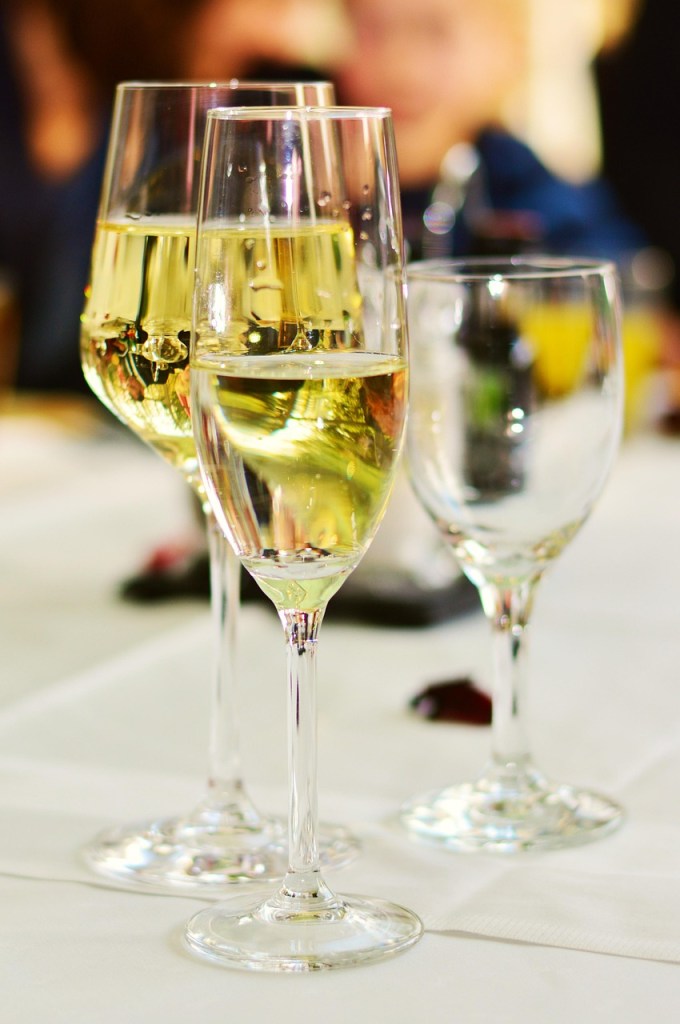
THE BASIS BEHIND FOOD PLUS WINE PAIRING IS TO COMPLEMENT OR CONTRAST THE FLAVORS AND CHARACTERISTICS OF FOOD AND WINE. GOOD PAIRING ENHANCES THE FOOD AND WINE FLAVORS, CREATING A PLEASANT EXPERIENCE. WHEN PAIRING FOOD AND WINE, THERE ARE TIPS AND GUIDELINES TO REMEMBER.
Consider the intensity of the food and the wine. You want to pair lighter wines with lighter foods and heavier wines with heavier foods. For example, a light Pinot Grigio might pair well with a delicate fish dish, while a bold Cabernet Sauvignon might be better suited to a hearty beef stew.
Look for complementary flavors. Try to find wines that complement the flavors in your food. For example, a Sauvignon Blanc with notes of citrus and herbs might pair well with a salad with a lemon vinaigrette dressing.
Consider the acidity of both the food and the wine. If a dish is very acidic, you’ll want to pair it with a wine that can withstand that acidity. For example, a tomato-based pasta dish might pair well with a Sangiovese or Chianti which are known for their high acidity.
Match red wine with red meat and white wine with white meat. These basic rules can be a good starting point. For example, a rich, full-bodied Cabernet Sauvignon might pair well with a juicy grilled steak, while a crisp, acidic Chardonnay might be better suited to a grilled chicken breast.
Don’t be afraid to experiment. Ultimately, the best food and wine pairings are the ones that you enjoy the most. So, try new combinations of great food and wine and see what works for your palate.
Consider the occasion. Different occasions call for diverse food and wine pairings. For example, a casual dinner party might call for a more relaxed pairing, while a formal event or special occasion might require a more sophisticated combination.
Consider the intensity of the food and the wine. You want to pair lighter wines with lighter foods and heavier wines with heavier foods. For example, a light Pinot Grigio might pair well with a delicate fish dish, while a bold Cabernet Sauvignon might be better suited to a hearty beef stew.
Look for complementary flavors. Try to find wines that complement the flavors in your food. For example, a Sauvignon Blanc with notes of citrus and herbs might pair well with a salad with a lemon vinaigrette dressing.
Consider the acidity of both the food and the wine. If a dish is very acidic, you’ll want to pair it with a wine that can withstand that acidity. For example, a tomato-based pasta dish might pair well with a Sangiovese or Chianti which are known for their high acidity.
Match red wine with red meat and white wine with white meat. These basic rules can be a good starting point. For example, a rich, full-bodied Cabernet Sauvignon might pair well with a juicy grilled steak, while a crisp, acidic Chardonnay might be better suited to a grilled chicken breast.
Don’t be afraid to experiment. Ultimately, the best food and wine pairings are the ones that you enjoy the most. So, try new combinations of great food and wine and see what works for your palate.
Consider the occasion. Different occasions call for diverse food and wine pairings. For example, a casual dinner party might call for a more relaxed pairing, while a formal event or special occasion might require a more sophisticated combination.